
Table of Contents
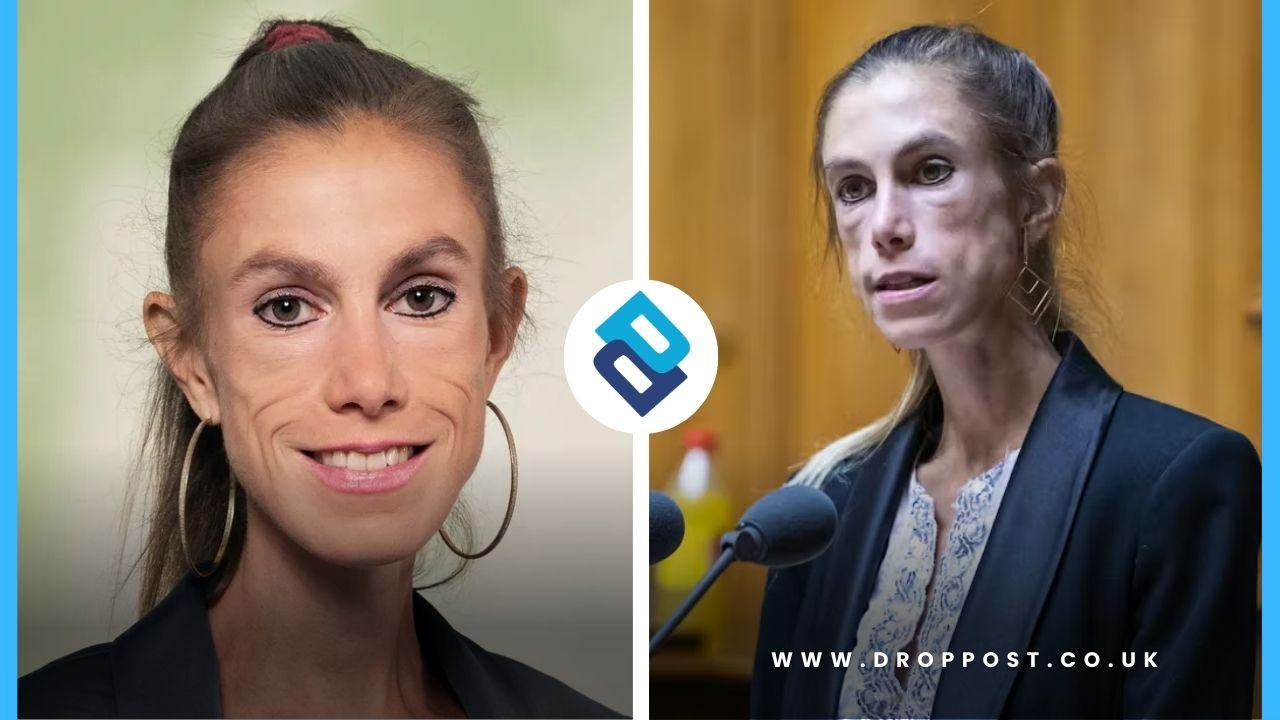
Meret Schneider is a notable Swiss politician, widely recognized for her advocacy in social welfare, education, and mental health initiatives. In recent years, public discussions around Meret Schneider Illness have highlighted the immense pressures faced by political figures. The illness, reportedly linked to stress and public scrutiny, has drawn attention to the human challenges behind political leadership. Schneider’s willingness to openly address her condition has sparked conversations about mental well-being in demanding careers. Her story provides insights into the balance required between public responsibilities and personal health. Understanding Meret Schneider Illness helps society appreciate the hidden pressures of political life and the importance of mental health support.
Quick Bio: Meret Schneider
| Personal Details | Information |
|---|---|
| Full Name | Meret Schneider |
| Date of Birth | April 14, 1972 |
| Age (as of 2026) | 54 years old |
| Place of Birth | Zurich, Switzerland |
| Nationality | Swiss |
| Occupation | Politician, Social Advocate |
| Party | Social Democratic Party of Switzerland |
| Known For | Political leadership, social advocacy, public discussions on mental health |
| Notable Positions | Member of Swiss Parliament, Policy Advisor |
| Social Media Presence | Active (Twitter, LinkedIn) |
| Known For | Mental health advocacy and political work |
Early Life and Education
Meret Schneider was born and raised in Zurich, Switzerland, in a family that emphasized civic engagement and education. From childhood, she showed an interest in societal issues, shaping her path toward politics. Schneider pursued political science and public policy, gaining both academic knowledge and practical experience through volunteering and community projects. These experiences provided her with leadership skills and a deep understanding of governance. Her early exposure to social advocacy influenced her later focus on mental health and social welfare policies. Even during her studies, Schneider balanced academic pursuits with community service, laying the groundwork for her future political career. The foundation for understanding Meret Schneider Illness partly stems from these formative experiences and exposure to societal pressures.
Entry Into Politics

Schneider entered politics through local government participation, focusing on public health and social welfare initiatives. Her early advocacy attracted attention, earning her opportunities at the national level. As she progressed, Schneider became known for addressing education reforms, community support programs, and healthcare policies. Her effective communication and ability to collaborate made her a rising star in Swiss politics. During this period, she also began experiencing stress linked to her increasing responsibilities, which later contributed to what is publicly referred to as Meret Schneider Illness. These challenges highlighted the human cost of political work and shaped her approach to leadership, emphasizing empathy, resilience, and mental wellness alongside policymaking.
Political Career and Achievements
Meret Schneider’s political career includes notable achievements in the Swiss Parliament and local governance. She has championed education reforms, mental health policies, and social welfare initiatives, influencing legislation and public programs. Her leadership demonstrates a combination of technical expertise, advocacy, and strategic planning. Schneider’s dedication to her work sometimes intensified the pressures she faced, contributing to the onset of Meret Schneider Illness. Despite challenges, she remained committed to her constituents, ensuring policies addressed public needs while highlighting mental health as a priority. Her career illustrates that personal well-being and professional responsibilities are intertwined, with her illness serving as a reminder of the demands faced by high-level public officials.
Public Recognition and Awards

Over time, Schneider has received recognition for her contributions to social welfare and mental health advocacy. Her awards emphasize both policy impact and dedication to public service. Media coverage often highlighted her initiatives rather than personal life, creating a professional image focused on results. Schneider’s openness about Meret Schneider Illness also garnered public attention, portraying her as a leader who acknowledges human vulnerability. These recognitions not only validate her professional achievements but also promote dialogue about the mental health challenges politicians encounter. By combining accomplishment with transparency, Schneider demonstrates that effective leadership involves managing personal health while delivering meaningful policy outcomes.
Meret Schneider Illness and Public Awareness
Meret Schneider Illness became widely known after media reports discussed the impact of political stress on her mental health. The illness is associated with long hours, high-pressure decision-making, and public scrutiny common in political careers. Schneider’s openness regarding her condition has contributed to raising awareness about mental health among public figures. Her experience has prompted discussions about the need for supportive structures, wellness programs, and reduced stigma for leaders facing similar challenges. Understanding Meret Schneider Illness is essential for appreciating the hidden pressures politicians face. It also encourages society to recognize that mental health issues can affect anyone, regardless of professional achievements or public perception.
Pressures Leading to Meret Schneider Illness
The demands of political life contributed significantly to Meret Schneider Illness. Continuous engagement with legislative duties, media scrutiny, and public expectations can result in sustained stress. Leaders often face competing priorities, creating emotional and psychological strain that is rarely visible to the public. Schneider’s case demonstrates that even accomplished politicians are not immune to burnout and mental health challenges. The pressures leading to her illness highlight the importance of proactive wellness strategies. Understanding these pressures is crucial for aspiring politicians and society at large, emphasizing that supporting mental health is integral to sustaining effective governance and ensuring leaders can perform their duties without compromising personal well-being.
Coping With Meret Schneider Illness
To manage Meret Schneider Illness, Schneider adopted strategies including therapy, mindfulness, and strong support networks. Friends, family, and professional colleagues provided guidance and reassurance during stressful periods. Schneider emphasizes work-life balance and structured routines as key to maintaining resilience. By publicly discussing these strategies, she promotes mental health awareness and encourages others in high-pressure careers to prioritize wellness. Her approach illustrates that coping with mental health challenges requires both personal effort and systemic support. Highlighting these measures ensures that Meret Schneider Illness is not viewed as a limitation but as an opportunity for education, understanding, and development of better practices for maintaining well-being in demanding professions.
Mental Health Advocacy and Initiatives
Schneider has leveraged her experience with Meret Schneider Illness to advocate for broader mental health initiatives. She supports legislation for counseling access, workplace wellness programs, and public awareness campaigns. Her advocacy underscores that mental health is not just a personal matter but a societal priority. Schneider’s initiatives aim to create supportive environments for public servants and citizens alike. Through workshops, speaking engagements, and policy proposals, she demonstrates how personal experiences with mental health challenges can inform systemic change. By connecting her illness to advocacy, Schneider reinforces the importance of integrating wellness into both political institutions and public life.
Public Perception and Media Coverage
Media coverage of Meret Schneider Illness has generally been empathetic, highlighting her courage and transparency. Public reactions reflect growing awareness of the pressures political figures endure. The discussion surrounding her illness promotes understanding and reduces stigma, demonstrating that mental health challenges are a normal human experience. Schneider’s openness encourages citizens and institutions to acknowledge vulnerability in leadership, fostering a culture of support and empathy. Her case also shows the importance of responsible media reporting, ensuring that discussions about mental health are informative and respectful, rather than sensationalized. Public perception of Meret Schneider Illness has ultimately reinforced the need for systemic support and compassionate leadership.
Policy Lessons From Meret Schneider Illness
The implications of Meret Schneider Illness extend beyond personal experience to influence political culture. Her advocacy has inspired policies supporting wellness in governance and workplace mental health initiatives. By highlighting the pressures that led to her illness, Schneider encourages institutional reforms to prevent burnout and promote sustainability among leaders. These lessons emphasize the importance of proactive measures, including counseling access, wellness programs, and supportive work environments. Integrating her experience into policymaking ensures that future political leaders can maintain well-being while fulfilling demanding roles. Meret Schneider Illness serves as a guide for creating resilient, empathetic leadership structures.
Lessons From Meret Schneider’s Journey
Meret Schneider’s journey demonstrates that addressing mental health challenges openly can enhance leadership credibility. Meret Schneider Illness highlights the necessity of self-care alongside professional responsibility. Aspiring leaders can learn the importance of establishing coping strategies, seeking support, and prioritizing personal wellness. Her example shows that vulnerability does not diminish effectiveness; instead, it strengthens trust with colleagues and constituents. By sharing her experiences, Schneider educates the public about mental health in high-pressure careers, encouraging systemic and cultural shifts in how society views leadership and wellness.
Advice for Young Politicians
For emerging leaders, Schneider’s story emphasizes the importance of prioritizing mental health from the start. Understanding Meret Schneider Illness and its impact helps young politicians anticipate stressors and implement proactive strategies. Maintaining a balance between public duties and personal well-being is essential. Open discussions about mental health foster trust and set an example for colleagues and constituents. Schneider’s journey encourages future politicians to cultivate resilience, seek support, and integrate wellness practices into daily routines, creating a sustainable path for leadership that values both societal impact and personal health.
Conclusion
Meret Schneider Illness highlights the hidden challenges of political life and the importance of mental health awareness. By addressing her condition publicly, Schneider fosters empathy, reduces stigma, and promotes proactive wellness strategies. Her advocacy demonstrates that leadership is most effective when personal health is considered alongside professional responsibilities. The lessons from her journey encourage institutions to provide structured support and leaders to prioritize well-being. For more updates and insights on political figures and mental health stories, stay connected with Droppost.
FAQs
What is Meret Schneider Illness?
Meret Schneider Illness refers to the mental health challenges she experienced due to the pressures of political life and public scrutiny.
How has Meret Schneider Illness affected her career?
While challenging, it inspired her advocacy for mental health and strengthened her focus on wellness initiatives.
Is Schneider active in mental health advocacy?
Yes, her experience with Meret Schneider Illness informs her campaigns, policies, and public awareness work.
What pressures contributed to Meret Schneider Illness?
Long hours, media scrutiny, decision-making responsibilities, and the constant demands of leadership.
How did the public react to Meret Schneider Illness?
Public reaction was largely supportive, sparking dialogue about mental health in leadership.
Why is mental health important for politicians?
Maintaining wellness ensures effective decision-making, sustainable careers, and public trust, preventing issues like Meret Schneider Illness.
For more updates and insights on political figures and mental health stories, stay connected with Droppost.