
Table of Contents
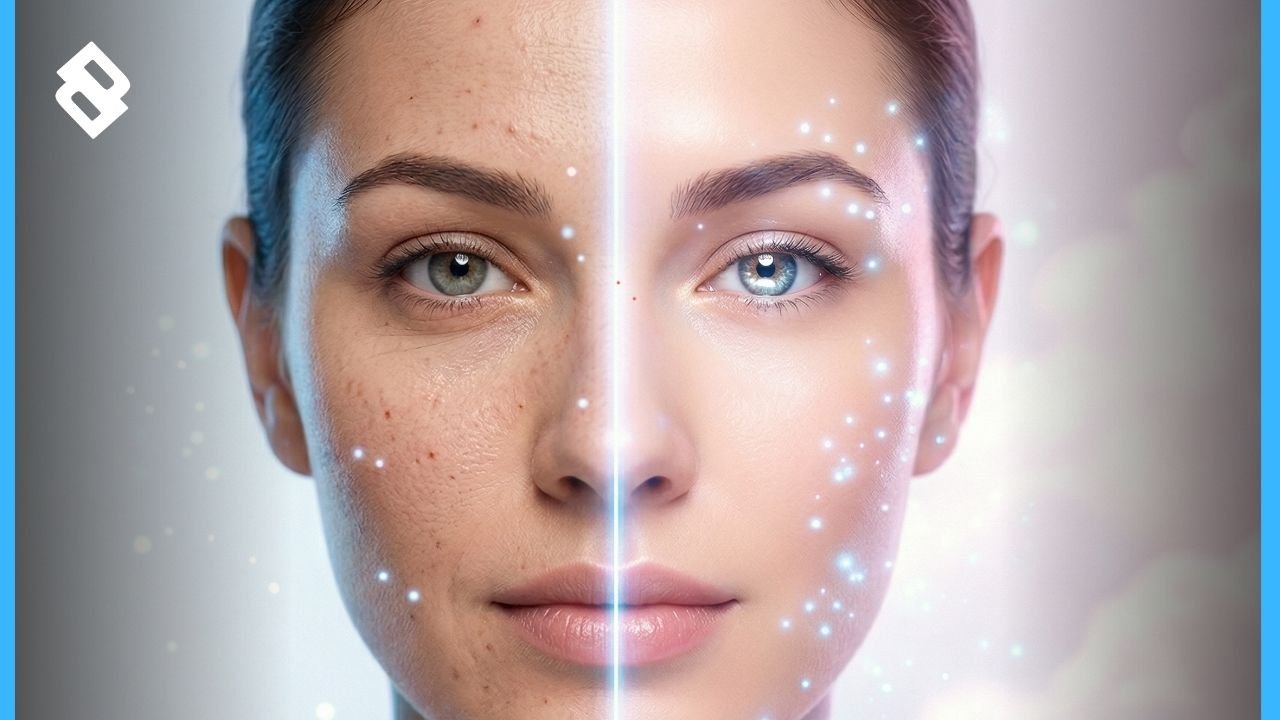
When people think about “perfect skin,” they often focus on tone and color, but texture is actually the most significant factor in how young and healthy a complexion looks. Smooth skin reflects light evenly, creating a natural glow, while rough or “orange peel” texture can make the face look dull, tired, and aged. Textural issues can stem from a variety of sources, including past acne scarring, enlarged pores, sun damage, and a slow-down in cellular turnover. While exfoliating at home can help slightly, it often isn’t enough to correct deeper irregularities.
Improving skin texture requires advanced aesthetic treatments that can stimulate the dermis to produce new collagen and resurface the epidermis. By utilizing medical-grade technology like microneedling, lasers, and professional peels, you can effectively “re-texturize” your skin from the inside out.
This process involves breaking down damaged tissue and replacing it with a fresh, smooth foundation. This guide will walk you through the most effective clinical methods for transforming rough skin into a silky-smooth surface that looks beautiful both with and without makeup.
For those ready to move beyond basic skincare, it is essential to find a provider that specializes in high-tech resurfacing. Many individuals who want a total texture transformation choose to visit dermani MEDSPA® in Summerhill Atlanta GA for their advanced treatment options. A professional assessment will help you determine which specific modality whether it’s heat-based, needle-based, or chemical-based is the most appropriate for your specific skin concerns and lifestyle needs.
The Science of Microneedling for Texture
Microneedling is one of the most effective treatments for texture. By creating microscopic punctures in the skin, it triggers a rush of healing factors. This process breaks up old scar tissue and fills in uneven areas with new collagen and elastin, leading to a much smoother and firmer surface over several months.
Fractional CO2 Lasers for Deep Resurfacing
For severe texture issues like deep wrinkles or pitted acne scars, fractional lasers are the gold standard. They remove thin layers of skin while leaving surrounding tissue intact, which speeds up the regeneration of a brand-new skin surface. The result is a dramatic improvement in skin smoothness that can last for years.
Chemical Peels: The Chemical Resurfacers
Professional chemical peels use acids to dissolve the top layers of the skin. By removing the rough, dead cells that clog pores and sit in fine lines, peels allow the softer, more even skin underneath to emerge. Regular light peels are excellent for maintaining a polished, “glass-like” finish to the skin.
Microdermabrasion for a Polished Surface
Microdermabrasion uses a diamond-tipped wand to physically buff the skin. It is perfect for treating minor textural issues, such as rough patches or small bumps. Because it provides instant physical exfoliation, it is a great “maintenance” treatment to keep the skin looking smooth between more intensive procedures.
The Impact of Radiofrequency on “Orange Peel” Skin
When skin loses its elasticity, pores can look larger and more “stretched,” leading to a texture that resembles an orange peel. Radiofrequency (RF) treatments heat the deep layers of the skin to tighten the structure. This “shrinks” the appearance of the skin’s surface, making it look much tighter and more refined.
Dermaplaning for Immediate Softness
Dermaplaning is a favorite for those who want an instant improvement in texture. By removing the “peach fuzz” and the topmost layer of dead skin, it creates a surface that is incredibly soft to the touch. It also ensures that light reflects perfectly off the face, giving you an immediate boost in radiance.
Addressing Pores Through Deep Cleansing
Congested pores are a major contributor to rough texture. Advanced facials like the Hydrafacial use vacuum technology to clear out blackheads and oil. Once the pores are cleared, the skin can sit flatter and smoother, significantly reducing the “bumpy” feeling that often accompanies oily or combination skin.
Maintaining Texture with Professional Skincare
After achieving smooth skin in the clinic, you must maintain it at home. Your provider will likely recommend a high-quality Retinol or AHA serum. These “active” ingredients keep the cellular turnover high, preventing dead skin from building up and causing your texture issues to return.
Conclusion
Improving skin texture is one of the most rewarding changes you can make for your appearance. By utilizing advanced aesthetic treatments, you can finally move past the frustrations of rough, uneven skin and enjoy a complexion that is truly soft and radiant. Whether you need the deep resurfacing power of a laser or the gentle polishing of a professional peel, there is a clinical solution waiting for you. Don’t let textural issues hold back your confidence invest in the professional care that will transform your skin from the inside out. With the right technology and a consistent approach, smooth and healthy skin is within your reach. Your reflection will thank you for the specialized attention, and you’ll love the way your skin looks and feels every single day.
Frequently Asked Questions
How long does it take to see an improvement in skin texture?
You will feel an immediate difference after a peel or dermaplaning. For structural changes like scar reduction or pore tightening through microneedling, it usually takes 3 to 6 months to see the full effect, as your body needs time to build new, healthy collagen.
Can these treatments help with “chicken skin” or keratosis pilaris?
Yes. While usually found on the body, textural issues like KP can be treated with professional chemical exfoliation and microdermabrasion. These treatments help to clear the keratin plugs from the hair follicles, leading to much smoother skin in the treated areas.
Is it painful to have skin resurfacing?
Most treatments involve some sensation of heat or a “prickly” feeling. For deeper treatments like lasers or microneedling, a topical numbing cream is applied to ensure you stay comfortable. Most patients find the temporary discomfort well worth the long-term smoothing results.
Are there any risks of scarring with texture treatments?
When performed by a licensed professional in a medical setting, the risks are extremely low. In fact, these treatments are designed to fix scars. Always follow your pre- and post-care instructions exactly to ensure your skin heals perfectly and avoids any complications.
How often should I get treatments for skin texture?
Maintenance treatments like dermaplaning or light peels can be done every month. More intensive treatments like microneedling are usually done in a series of 3 to 6 sessions, with several weeks of healing time in between to allow the skin to remodel itself effectively.
Stay connected with droppost.co.uk